Showing posts with label Estates in the Cape Winelands. Show all posts

When in Paarl ..... The Goatshed at Fairview

Usually, pregnant women are advised to avoid soft cheeses. (Just in case you were wondering why: the moisture they contain can be the ideal environment for the listeria bacteria, which are normally not dangerous to the mom but can be life threatening to the baby.)

After that depressing lesson, let me tell you that staying without the good stuff makes for a very long nine months. On a much more positive note, what a better way than to “get back on the horse” than having one of Fairview’s famous cheese platters at their restaurant, the Goatshed. They offer 25 different cheeses, made from both cow’s and goat’s milk. It is served with an array of fresh breads, baked daily on the premises. Add a glass of their Goats-do-roam wine and the miserable weather outside turns from an enemy to be faced into an ally who co-conspired to give us an excuse to have an amazing lunch!


You can visit their website here or like their Facebook page.

When in the Breede River Valley ..... Graham Beck Winery

Graham Beck is a household name in South Africa, mostly for the wines produced by their estate in Robertson. While visiting the farm to taste some of the famous bubbly, none of us knew who the man behind the farm was. So I told the others that I will read up before I blog about the farm. Here goes:

He grew up in Cape Town and during his first year at UCT, he failed academically and his dad told him that he is not going to pay for his university fees any more. So, Graham borrowed £250 from his mom to start a home renovation business and called it Kangra (the name was derived from his own name and that of his carpenter partner, Kannemeyer).

He then moved into coal mining, acquiring many mines in KZN and pioneering the centralised transportation of coal exports through Richards Bay. Once he established his fortune with the Kanga group, he made huge investments into his two great passions, wine and thoroughbred horses. He owned South Africa's leading thoroughbred breeding farm Highlands and well as other farms around the world. Beck's billionaire status was publicly confirmed in 2006 when he sold 60% of the coal operation to a Spanish group.

He passed away in July 2010 at the age of 80 after being diagnosed two months earlier with advanced lung cancer.


I also learned that the Graham Beck vineyards are located on diverse farms in the Western Cape, enabling the Robertson Cellars to have access to grape varietals grown in the climatic conditions and soils to which they are best suited. When we visited the farm, we saw one of the walls covered with wonderful illustrations, showing how the Robertson area’s soil is perfect for growing grapes, how the grapes are made into wine and how Graham Beck Wines became the farm it is today.

One of the illustrations shows that in 1994 Graham Beck Brut NV was chosen as the celebratory drink at the inauguration of Nelson Mandela as South Africa's first democratically elected president. A second picture shows Barack Obama. The story behind that is that after declaring his intention to run for president, Barack Obama took his wife, Michelle, to one of their favourite restaurants in Chicago. The sommelier recommended two glasses of Graham Beck Brut NV. The Obamas were so impressed with this bubbly that they ceremoniously popped the same bubbles to celebrate his election as the 44th American president just before he addressed the world at Grant Park.


You can visit their website here or like their Facebook page

When in the Breede River Valley ..... Van Loveren

Another farm we visited during our wine tasting day in the Robertson wine valley was Van Loveren, a household name in South Africa and also one of the country's largest privately-owned wine brands. The vineyards were originally purchased in the late 1930’s by Hennie Retief. The property was part of a farm known as Goudmyn (the Afrikaans term for “goldmine”, reflecting the perceptions around the large sum paid for the original farm) and his section was named “Portion F”. His wife did not like the name (as wives sometimes do) and convinced her husband to rename the farm after one of her ancestors, Christina van Loveren.

Hennie made his first wine, a red muscadel, in 1939. As his sons, Nico and Wynand, grew older more vines were planted and a new cellar was built. Until 1980 all the wine was sold in bulk and it was only after they launched their Premium Grand Cru that they started to bottle Van Loveren wines. Nico and Wynand’s four sons joined the farm in the mid 1990’s as they completed their studies. These four cousins are the driving force behind the company that now owns 15 farms in the area, hence the Four Cousins wine label. Two cousins are viticulturists, one is the winemaker and the other the CEO looking after the business side of things.


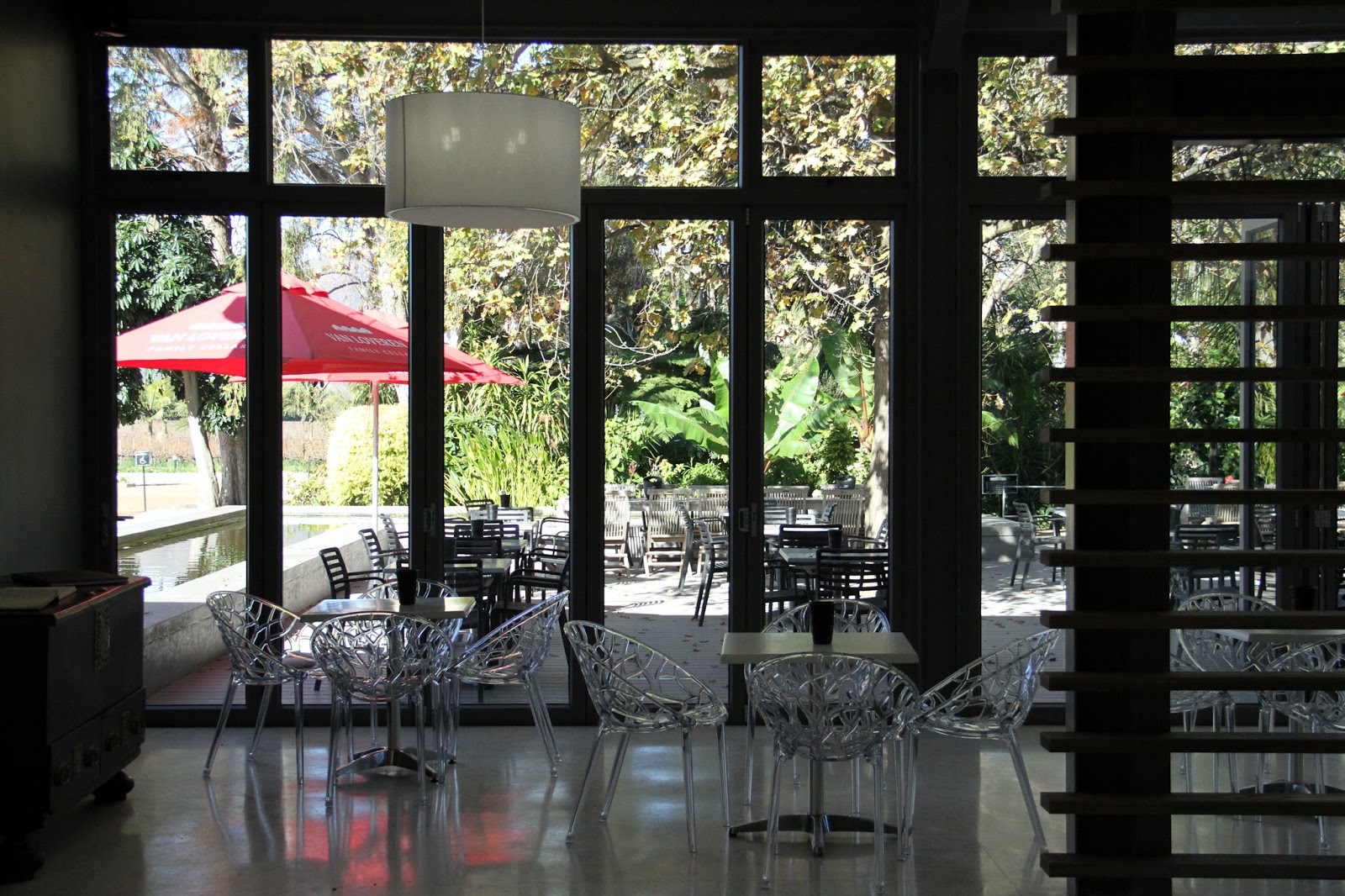
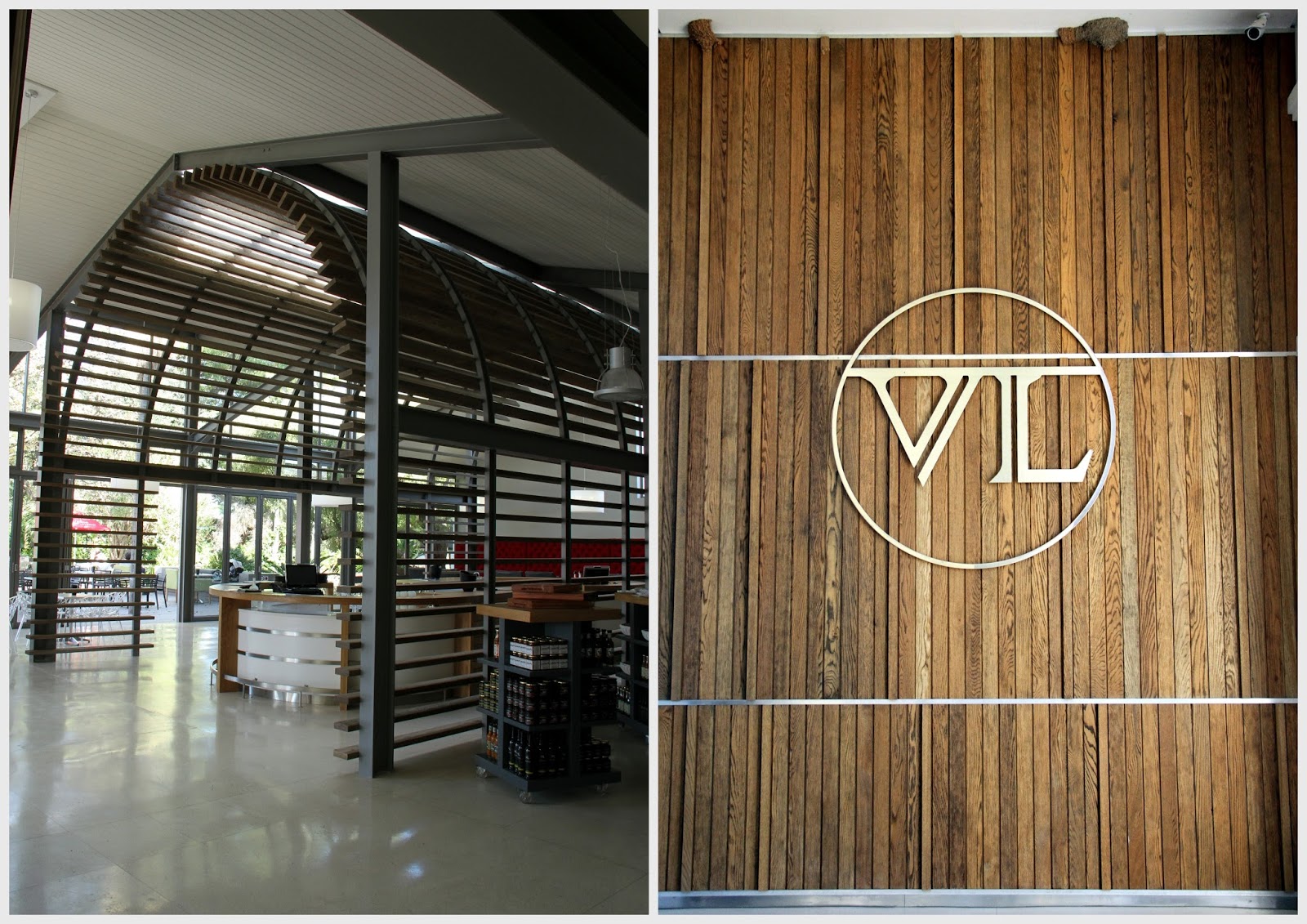
The white cellar boasts modern gables and a brand new very slick tasting venue. We planned to eat pizzas at the estate restaurant, Christina’s but our visit was on a Tuesday, the only day of the week when the restaurant is closed. Our bad luck did not turn out to be bad at all. We bought some of the goodies in the deli to make our own olive/cheese platter and lazed the afternoon away on the deck outside under huge trees. The deck overlooks a beautiful garden with trees that each has a significant meaning or story attached to the family. It seems the older generation planted trees to commemorate special occasions or important historic events in the Retief family’s life.


You can visit their website here or like their Facebook page.

When in the Breede River Valley ….. collect stories

On a very misty morning, we loaded Emma into her car seat, and took the very scenic road from Robertson to Bonnievale. By the time we arrived at the Weltevrede wine estate, just outside the town, the mist lifted and our day of “tasting our way back” to Robertson could start. Little did we know that this would be a day of sampling interesting stories and anecdotes as well as the wine.

We specifically stopped at Weltevrede to stock up a bit for winter on their CherryChoc Merlot (we tasted it while dining at Karoux in McGregor). While tasting their bubbly, we noticed a photo of Nelson Mandela and asked the staff to tell us the story. In his time as chairman of KWV, Andre Jonker from Weltevrede met Jakes Gerwel, who told him about a grapevine that grew in the courtyard of the prison on Robben Island. This vine gets a specific mention in Long Walk To Freedom as being one of the places where Nelson Mandela hid parts of the handwritten manuscript. Through Gerwel’s mediation, workers from the Weltevrede Farm trust nursed the vine back to health over the course of seven years, after which it finally yielded a crop large enough for 18 bottles of wine, which was named The Parable. One bottle of the unknown white cultivar was presented to President Mandela on his 94th birthday last year, and another to President Obama on his recent visit.


The next stop was Esona, a small boutique winery with only 9ha under vines. Here we learnt that the current owner bought a vegetable farm and transformed it into the wine estate that it is today. But, when he lifted a concrete manhole in the old vegetable storeroom, he discovered 90 year-old underground muscadel fermentation tanks, and these have now been converted into their tasting room.


At Dewetshof we heard the intriguing story of how vines were smuggled into the country. Danie de Wet, with some help of his friend, Jan “Boland” Coetzee, smuggled a few cuttings of Chardonnay from Beaune in Burgundy, hidden in a “box of chocolates,” into South Africa in the early 1980’s. The cultivar was not grown in South Africa at the time and now, 30 years later, the Bateleur is still made from the same block of vines. All very unexpectedly ‘James Bond’ for such a genteel place.


Excelsior Estate has been owned by the de Wet family since 1859. Like many farms in this valley, there use to be an equal emphasis on race horse stud farming and wine. Excelsior have the charming habit of naming their flagship wines after some of these champion racehorses, and each of these seem to have their own legend attached – a few of them being at deaths door (and apparently saved by a deep look in their owner’s eyes while standing – literally – over their graves) before staging miraculous recoveries and winning big races mere months later. In at least one instance, horse race winnings saved the entire farm following devastating floods! Today, they don't have any racehorses and concentrate entirely on wine (and some citrus).


Zandvliet was proclaimed a 5000 hectare farm in 1838 but was later subdivided into Zandvliet, Prospect and Excelsior. Now, 130 years later, the fourth generation De Wets own the farm. The interesting thing here is that estate was always a wine farm, but over the years became a well-known ostrich farm as well as a racehorse-breeding stud (which explains the labels with horses on it). I know nothing about horse racing, but learned that one of South Africa’s greatest ever race horses, Pocket Power, comes from this farm.


At Springfield Estate we were stopped in our tracks by the beautiful and inspiring story of Thunderchild wine. After the Great Flu Epidemic in 1918, the Robertson community built an orphanage for the children left destitute. In the grounds of the Herberg children’s home was an aged, unproductive apricot orchard that originally helped the orphanage to be self-reliant for food. It was suggested in 2003 that they must do away with the orchard and rather plant a vineyard. All the planting material, soil preparation and irrigation were donated by the local vintners. Farms such as Springfield became involved by maintaining the vineyard and producing the wine for them. Now all the grapes for this blend is grown on the orphanage’s grounds and all the profit is donated to the children!


To learn more about these farms, click below on the link for their websites or Facebook pages:
Weltevrede - website or Facebook
Esona - website or Facebook
De Wetshof - website or Facebook
Excelsior - website or Facebook 
Zandvliet - website or Facebook
Springfield - website 

More Babylonstoren, Part 2

As promised yesterday, here are a few images from the Babylonstoren Farm Shop. The shop has different areas, each beautifully decorated ( I even want to use the word curated). On the one side is a charcuterie, selling a variety of cold meats. A separate cheese room is filled with handcrafted cheeses. The wine tasting facility allows you to taste the wines from the estate, but a huge variety of wines from the cellars situated around the slopes of the Simonsberg Mountains are also for sale. My favourite room is the bakery where artisan breads are baked before dawn every morning. In the last room is a shop selling everything from jams, cordials and olive oil made from the produce from the farm, to aprons, panama hats and the Babel Cookbook. It is a feast for the eye.


More Babylonstoren, part 1

Babylonstoren is my favourite wine estate in the Cape. Having said that, calling it a wine estate is actually not doing it justice because this farm is about so much more than its vines. It has the most incredible formal fruit and vegetable garden, quite unlike any other that I’ve ever seen, and probably unique in the winelands. Every single plant is edible and you can sample the produce, as it comes into season, in their restaurant Babel or in the Green House, an open air tea garden under big oak trees. 

I’ve blogged about the farm before (see here and here) and even then, I had to do it in two posts since the images are so beautiful and overwhelming. After visiting the farm again this past weekend to show my husband this incredible place, I will again have to split this blog into two. Today I want to show you a bit of the garden and the Green House. Tomorrow I will show you bits of their new farm shop that moved to a new building since my previous visit.

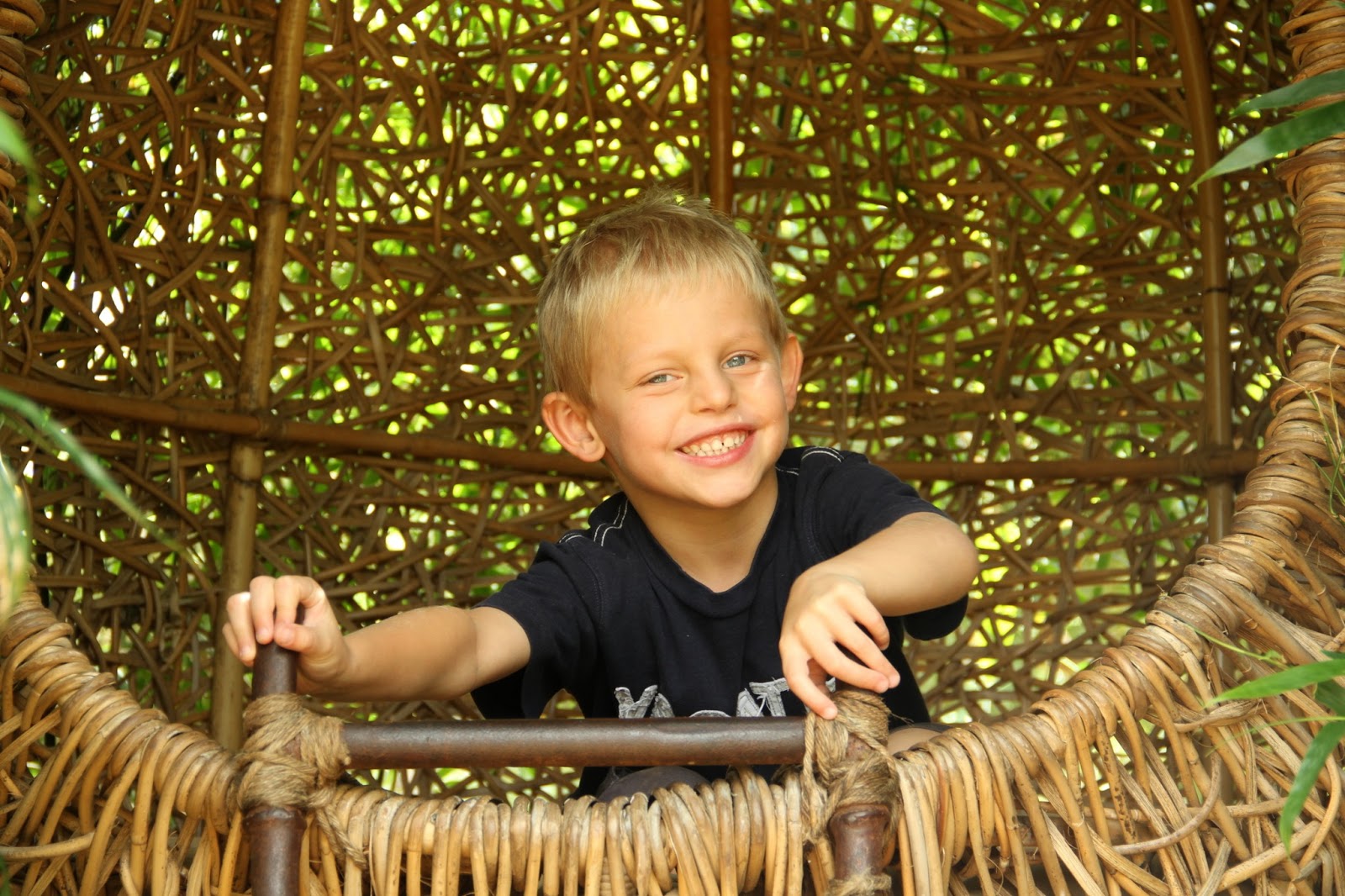
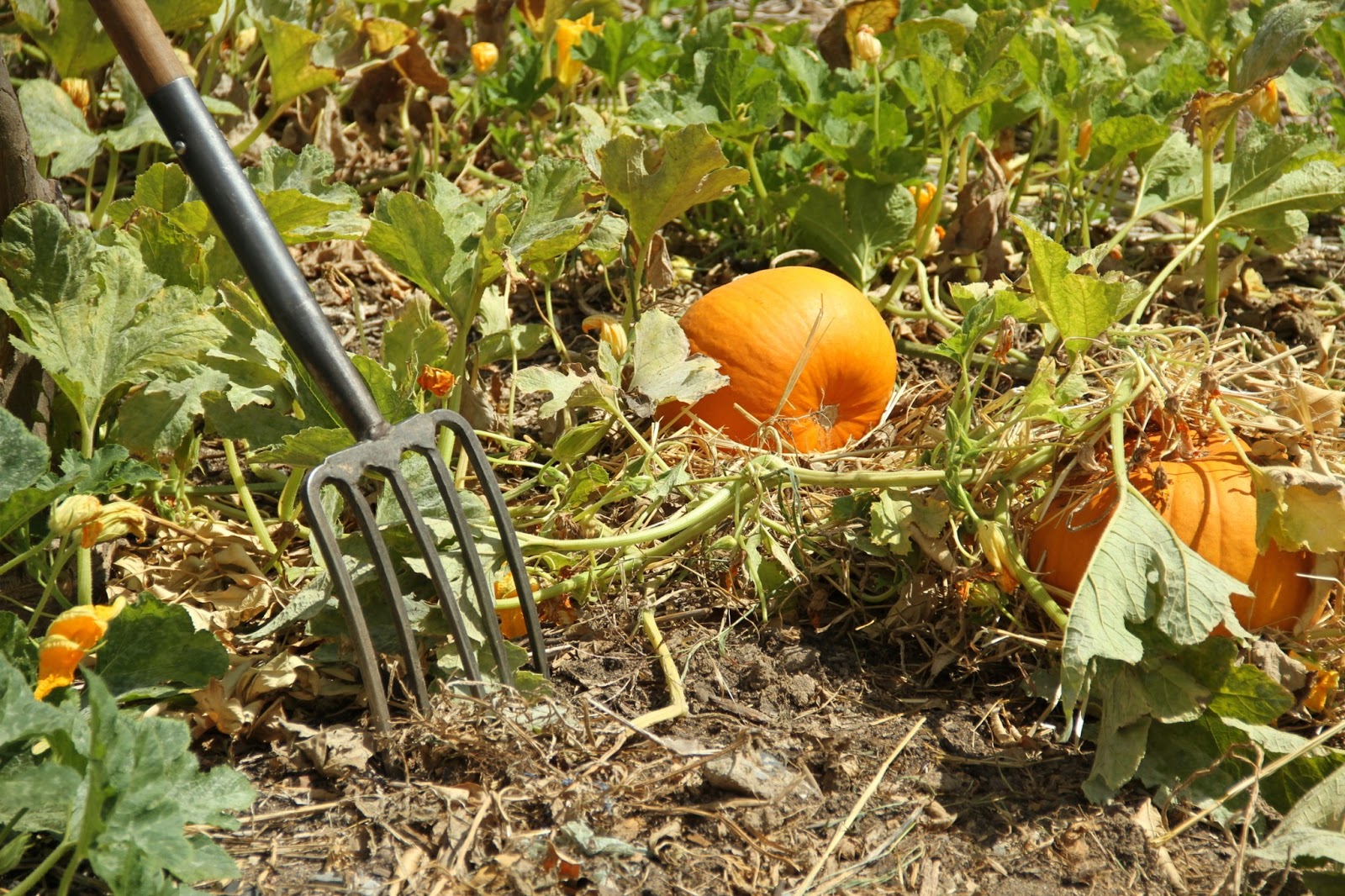
Daniel’s joy while exploring the gardens was wonderful to watch. Every corner was part of a maze in his mind and he refused to believe that the pumpkins were real!


The Green House, with its colourful Luxembourg chairs, Delft inspired tableware and fresh foods straight from the garden, is delightful. I think this place is so special to me because it puts on display what life could be like, as opposed to what we often accept it must be like. I could easily spend a day under the oak trees, sipping on their colourful infused juices and just letting the privilege of being on this spot on earth for a while soak in.


You can visit their website here or like their Facebook page.